


In Siyahlala, Dunoon, unresolved relocation leaves residents facing continued overcrowding and inadequate services as a recent fire displaced about 100 people
Peter Luhanga
- A Court-directed mediation over relocation began in June 2013, but remains unresolved.
- The number of shacks built next to the railway tracks increased as negotiations dragged on, complicating plans to move residents.
- The current councillor wants the City to explain the outcome of the mediation and present a housing plan.
Thirteen years after a court directed the City of Cape Town, Transnet, and Siyahlala residents into mediation, families remain living in shacks next to the freight railway line bordering Dunoon.
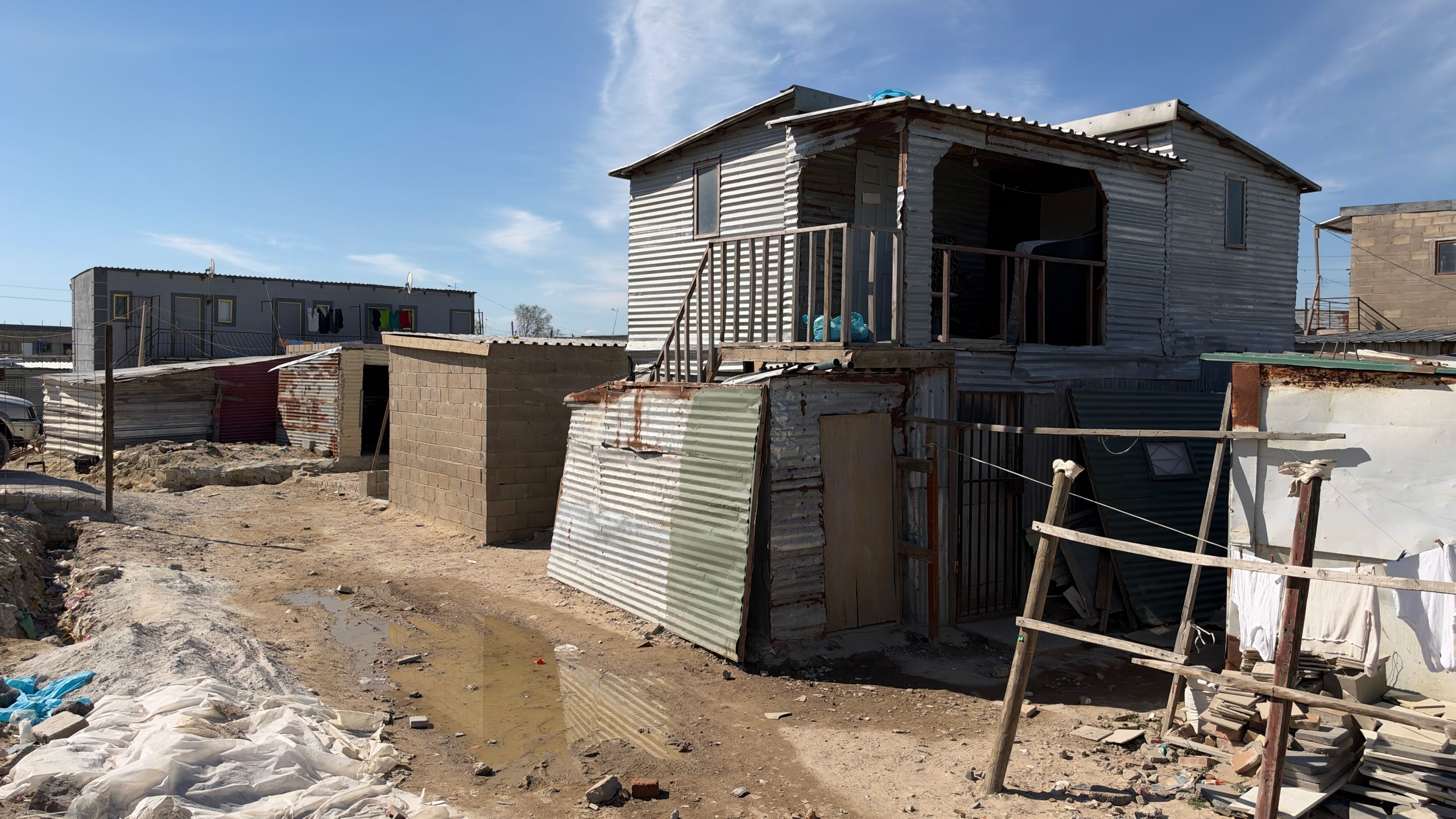
In the meantime, the settlement has expanded onto the tracks, with some shacks built into double-storey structures to increase the number of rooms to let.
The talks between the three parties began in June 2013 after Transnet sought to evict residents from the railway reserve. Former ANC councillor for Ward 104, Lubabalo Makeleni, said the negotiations concerned relocating between 800 and 1,200 shacks situated next to the tracks.
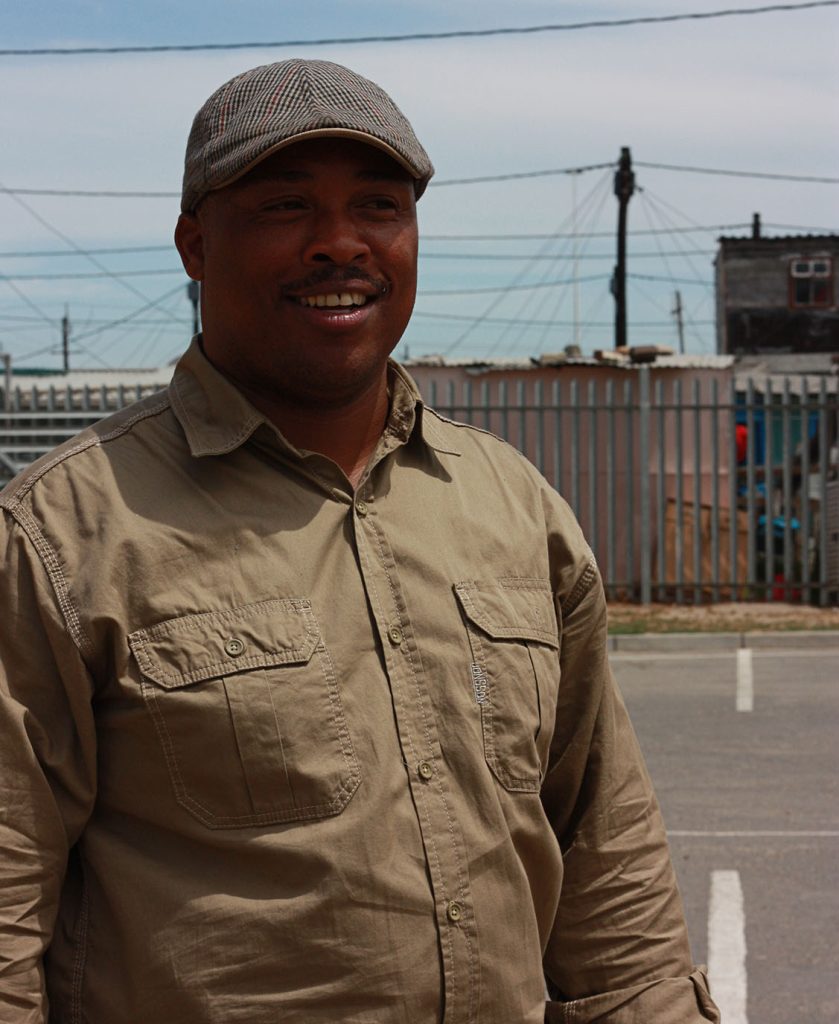
Former Ward 104 councillor Lubabalo Makeleni says no final relocation agreement had been signed by the time he left office in 2021.
Makeleni, who served two municipal terms until 2021, said eight community leaders participated alongside the City and Transnet. The provincial government later became involved under then premier Helen Zille.
In a report published by GroundUp on 10 March 2018, Transnet spokesperson Mike Asefovitz said the parties had signed a mediation agreement the previous month. Makeleni said at the time that 239 families named in the original eviction application were due to be relocated, but the settlement had grown during the intervening five years of negotiations. Transnet had paid to level dunes near the N7 to accommodate those households, he said.
But Makeleni said the signed document was a draft. It went back to the parties several times for clarification, and no final agreement had been signed by the time he left office in 2021. The City has referred questions about the mediation and its outcome to its legal team.
Finding somewhere for residents to move proved contentious. Makeleni said a proposed site in Kensington was abandoned after residents objected to losing open space for their children. His suggestion of Wolwerivier was rejected by the City because the land lacked services.
The purchase of land for the Killarney Gardens housing project raised the prospect of easing Dunoon’s overcrowding. According to Makeleni, Siyahlala households identified through mediation were to receive priority at the Killarney Gardens project, along with elderly residents and residents with disabilities from Dunoon and surrounding informal settlements.
He said the prospect of relocation attracted further occupation of the railway tracks, as newcomers sought inclusion in the plans. He described them as “opportunists” and said the additional occupation disrupted the proposed move.
Meanwhile, residents continue to live in an crowded settlement, some in shacks surrounded by stagnant, dirty water.
No plans for relief
After a fire swept through Siyahlala on Sunday 4 October, affecting 20 homes and displacing about 100 residents, current Ward 104 councillor Bulelwa Mayende demanded answers about the relocation talks that began more than a decade ago.
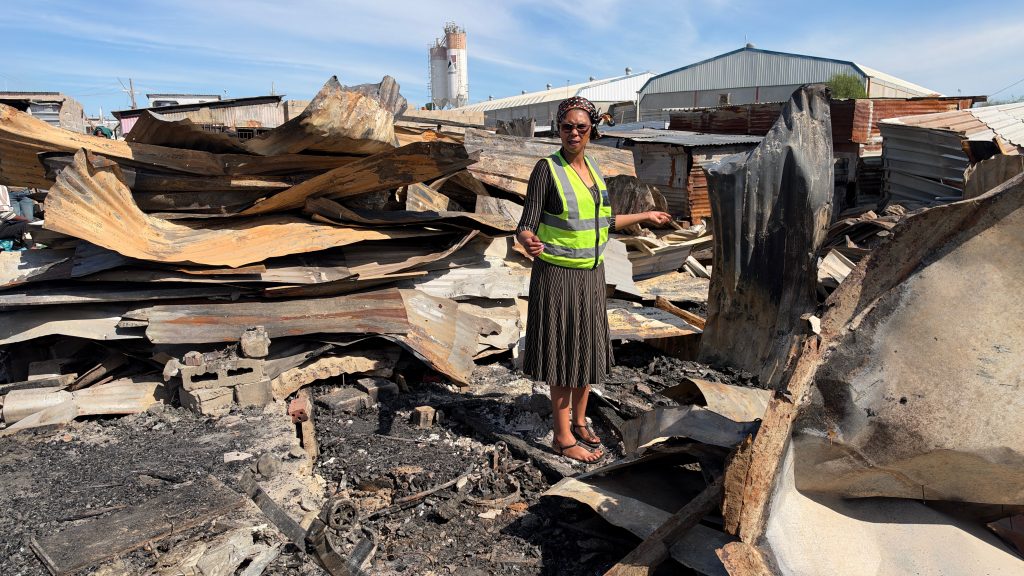
For Mayende, the fire raised a question that long preceded it: what had become of the negotiations to relocate Siyahlala residents?
“The City must explain,”said Mayende.
She said another shack fire had struck less than three months earlier, causing some families to lose all their documents and possessions.
She estimated that 80 % of residents in the ward lived in informal settlements and said the City had not presented her with a plan to relieve overcrowding.
Across the N7, the municipality has invited private developers to submit proposals for Annandale Farm. Mayende questioned what that development would offer families still living in Dunoon’s crowded settlements.
The nearly 72-hectare site was released for development on 6 August, with proposals due by 21 October. The City proposes a mixed-income neighbourhood that includes affordable housing, but the homes will not be reserved for Dunoon residents.
“I’d love the city’s human settlement department to prioritise the plan for Dunoon community,” she said.
Confirming the latest fire, City Fire & Rescue Service spokesperson Mark Bosch said one firefighter suffered an electric shock while battling the blaze.
“Approximately 20 structures were destroyed or damaged by fire and approximately 100 persons were displaced. Everyone was accounted for. The cause remains undetermined,” said Bosch.
Overcrowding prevented firefighters accessing the informal settlement.
Bosch said the first route into the settlement gave firefighters no access to the blaze.
“They could not gain access to the fire from their initial entry point and relocated to the Potsdam Road Bridge. Additional arriving fire engines were thereafter placed around the fire area to contain the fire and cut off spread. Crews threw out fire hoses to reach the fire and wore breathing apparatus to provide protection from the smoke,” he said.
Service delivery roundabout
An unemployed man lost his identity document, matric certificate and gym equipment when a fire destroyed the double-storey shack he shared with his cousin.
Zwelethu Dyasi, 44, and his cousin, Namzi Bomvana, rented out rooms in the 10-room shack for R400 each. Five rooms were downstairs and five upstairs.
“I am left with only the clothes I am wearing,” said Dyasi.
Bomvana said the blaze also destroyed everything she had been storing up for December.
Also, Dyasi said the settlement had no toilets, while water from municipal communal taps barely trickled out.
Regarding the provision of municipal basic services, City mayco member for human settlements, Carl Pophaim, said the settlement’s density and layout left limited room for service improvements and emergency access. Its location beside the railway reserve posed further difficulties.
Pophaim said the informal settlement management department referred service concerns to other City departments.
He said where work required access to land owned by Transnet or another entity, the department carrying it out would need to secure permission.
He said the City would help coordinate that work by supplying information and facilitating contact with residents.